

Otel Dijital Dönüşüm Blogları
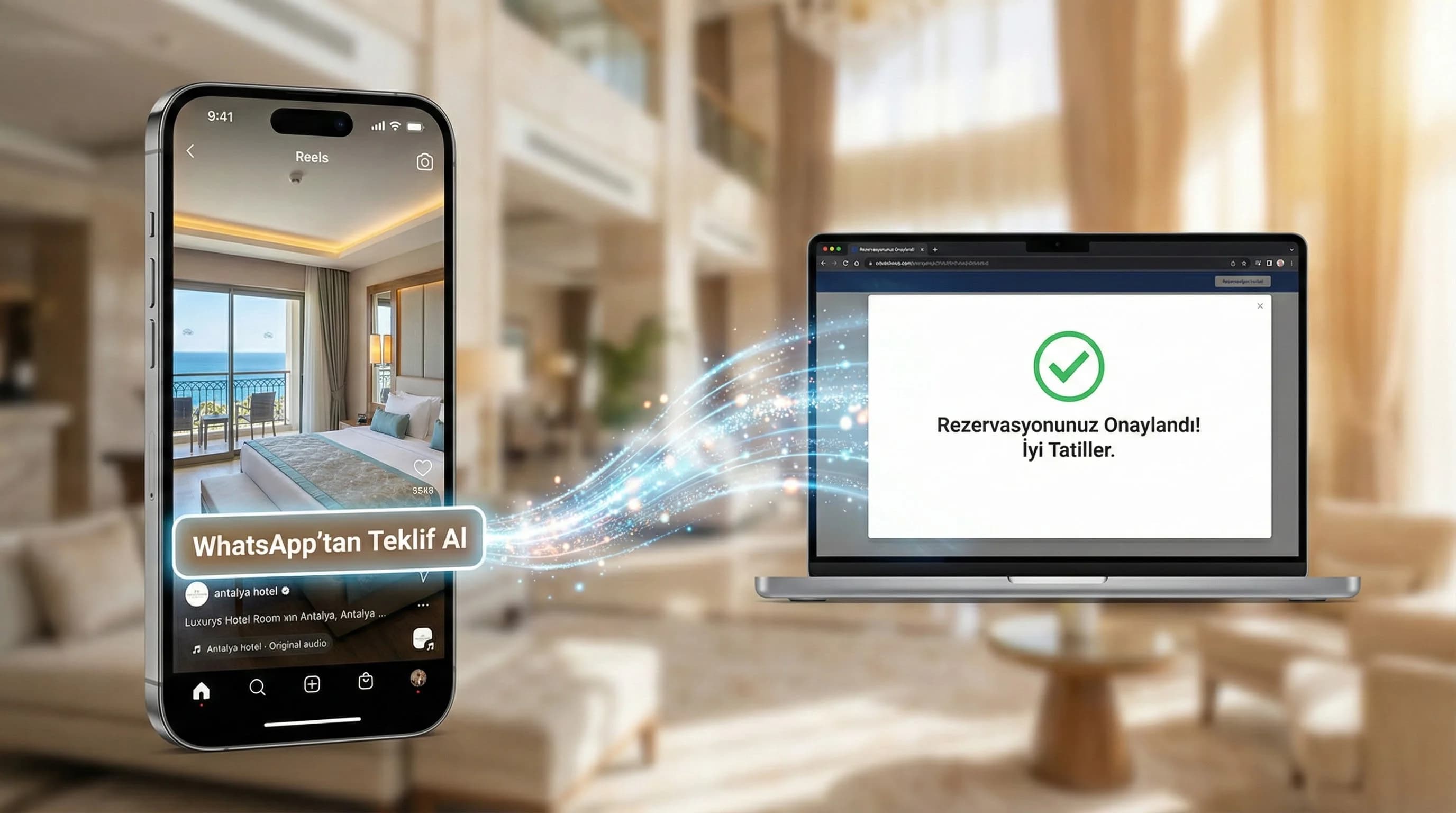
Selling Rooms with Reels: How to Set Up Reels Funnel for Hotels?
Reels is not just “access” for hotels; It is a short video engine that produces booking intentions when designed correctly. However, most accounts operate Reels at the content idea level: the video is good, the views come… but the clicks and requests do not come. In this guide, Instagram Reels is used for Hotel Room Sales / Direct Booking; We will establish a clear “room sales with reels” funnel system in the form of hook → story → CTA → referral → measurement.
Otel Dijital Dönüşüm Blogları
Selling Rooms with Reels: How to Set Up Reels Funnel for Hotels?
Reels is not just “access” for hotels; It is a short video engine that produces booking intentions when designed correctly. However, most accounts operate Reels at the content idea level: the video is good, the views come… but the clicks and requests do not come. In this guide, Instagram Reels is used for Hotel Room Sales / Direct Booking; We will establish a clear “room sales with reels” funnel system in the form of hook → story → CTA → referral → measurement.
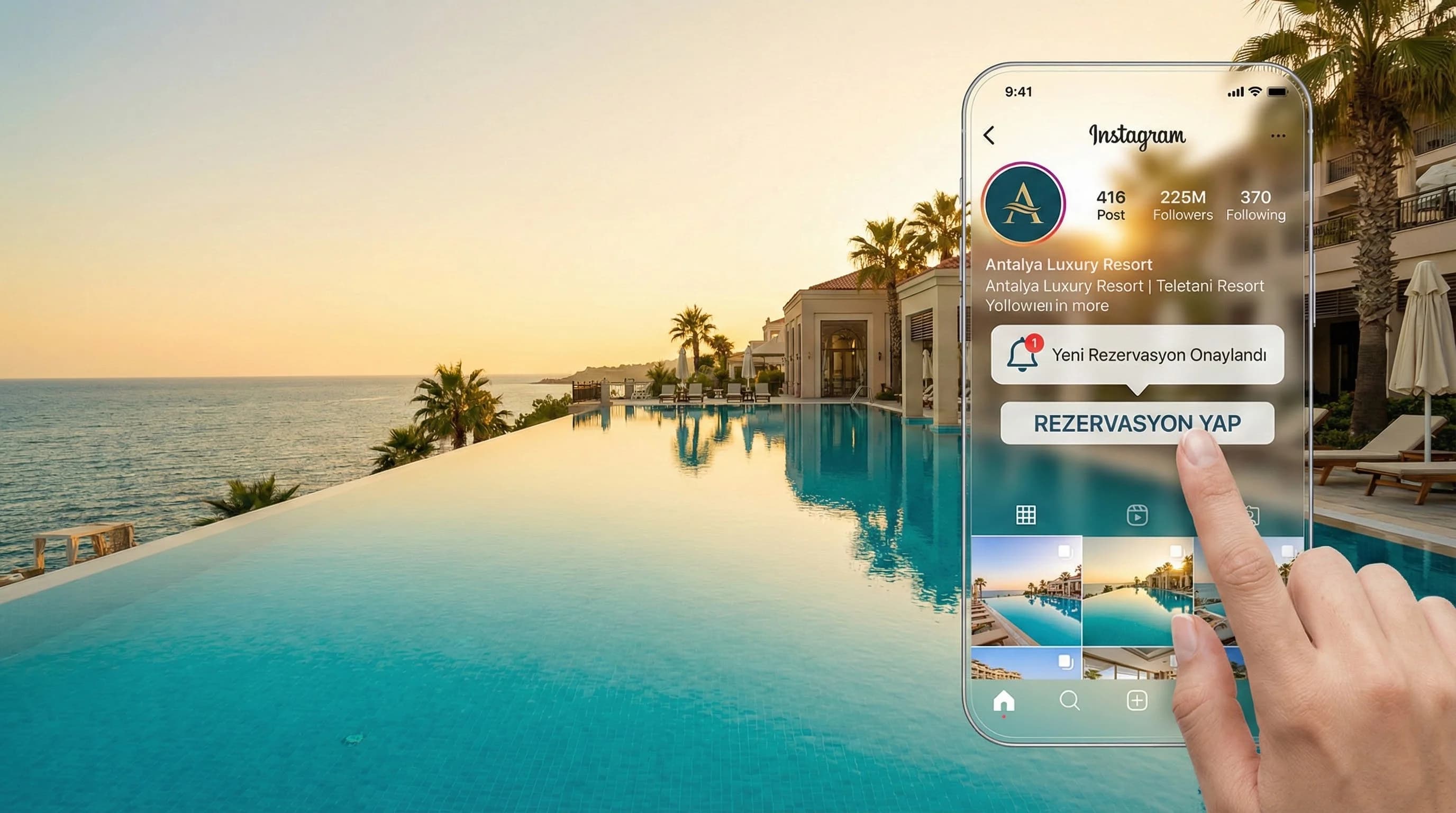
How to Position a Hotel Instagram Account? Basic Strategy Guide
Beyond being a “visual showcase” for hotels, Instagram is the first point of contact of the demand engine when designed correctly. Positioning; “what am I sharing?” Before the question "Who am I reaching, at what stage of intention, with what action?" answers the question. In this guide, we will build a hotel/resort Instagram account into a measurable content and funnel structure on the axis of brand perception + direct booking intention.
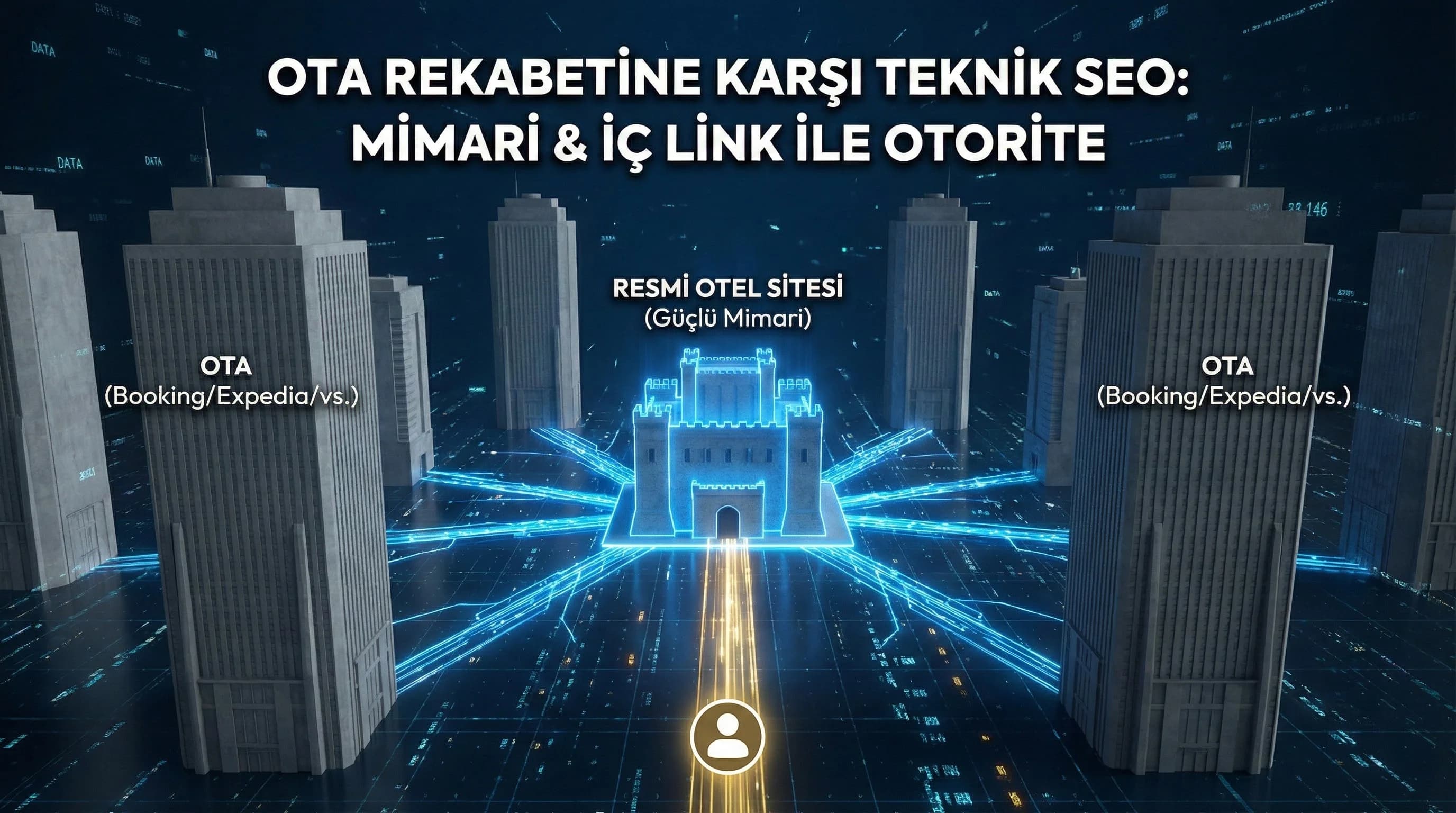
OTA vs. Technical Hotel SEO: Architecture & Internal Linking | DGTLFACE
OTAs are strong in the SERP because they operate with a large number of content pages, strong internal link networks, and high authority. Hotel sites, on the other hand, cannot convey a clear structure to Google because they often remain in the form of "a few pages + scattered blogs"; The user also has difficulty finding the way to the reservation. The purpose of this guide is not to turn the site into a “content dump that mimics OTA”; It is to establish a clean architectural and internal linking framework that strengthens your hotel as a single Hotel Entity. The result is clarity in both crawl/index quality and direct booking flow.

Direct Booking SEO with Destination Content | DGTLFACE
Most of the time, the guest does not start with "Antalya hotel prices"; It starts with questions about holiday intentions such as "Where to stay in Antalya?", "The most suitable area for families with children", "What season is best for golf in Belek?" If this intent is not caught, the user goes to guides and lists of OTAs. Destination content is the “first contact” layer of the hotel website: if designed correctly, it turns into a funnel that carries the user from the blog to the room page and from there to the booking engine.
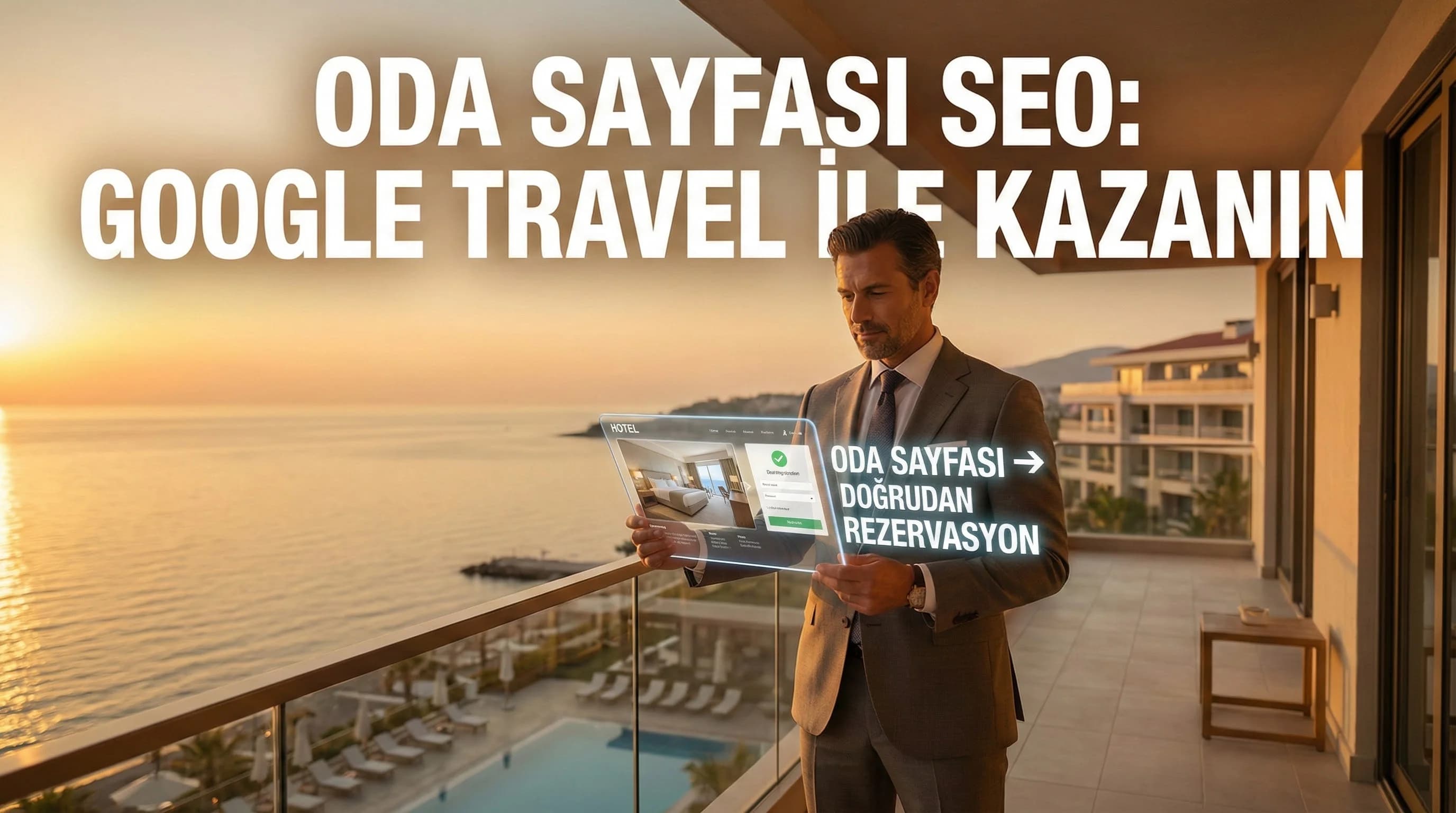
Room Page SEO: Direct Booking with Google Travel | DGTLFACE
Your room page allows the guest to ask “which room?” is where he makes his decision; In other words, it is the critical screen that determines whether the demand you capture on the SEO side will turn into a reservation. In many hotels, room pages only include a few photos and a brief description; This both reduces the "value" of the page in the context of Google Travel and weakens the transition to the booking engine. This playbook aims to improve both visibility and conversion at the same time by moving your room page to the mini landing page standard.
Hotel SEO: Earn Direct Booking Despite OTA
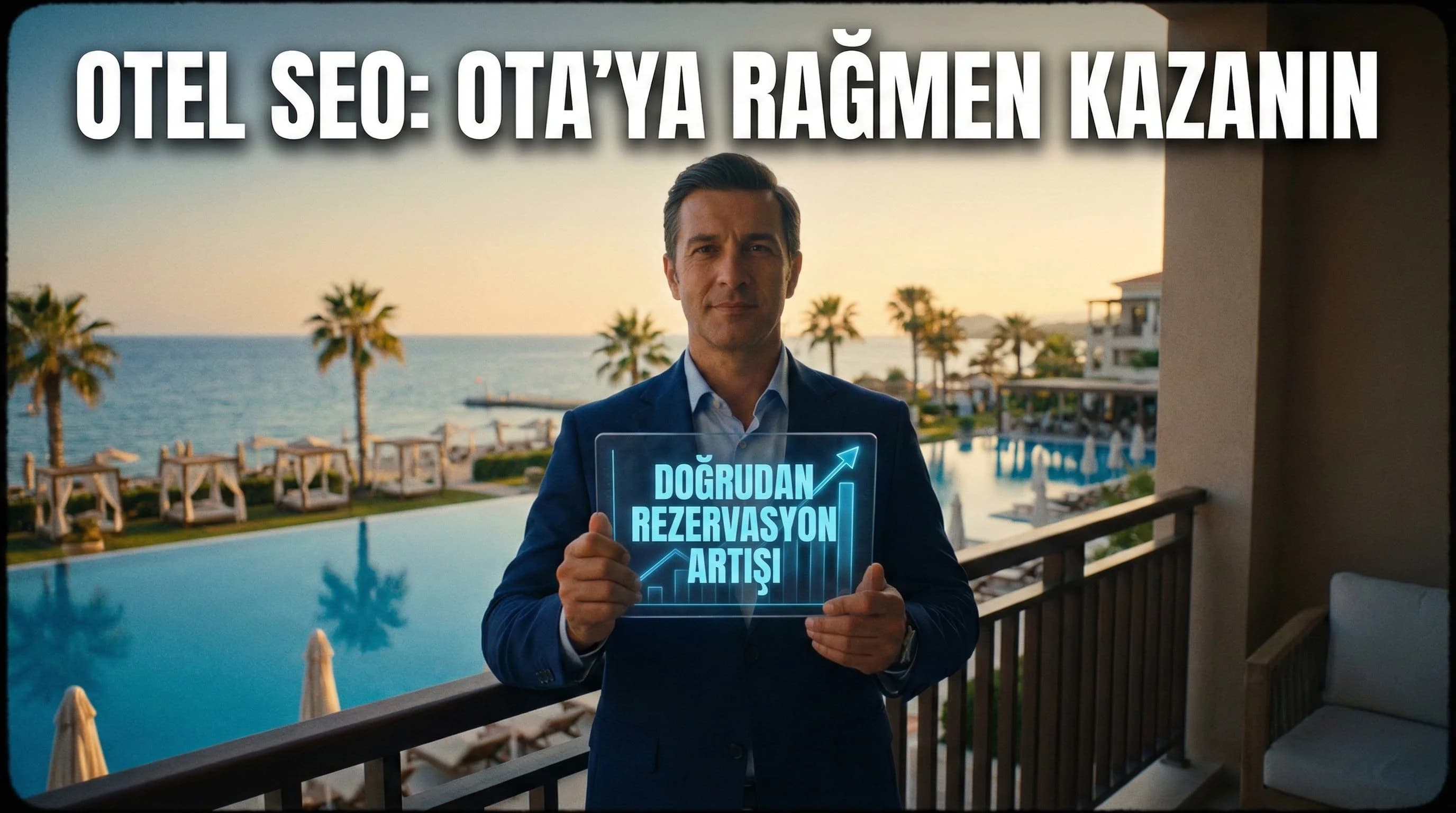
OTAs (Booking etc.) can be a “distribution channel” for hotels; but it also creates a layer of competition in the SERP that often puts your brand ahead of it. The aim of hotel SEO is not to “kill” OTA; It is to establish a sustainable system that will be visible on Google with the right page types in the right query sets and carry the demand to the hotel website. This guide; It gathers hotel SEO in a single framework, from technical infrastructure to multilingual structure, from destination content to KPI set.
Multilingual Hotel SEO: TR–EN–DE–RU Hreflang in Structure, Site Architecture and Content Strategy
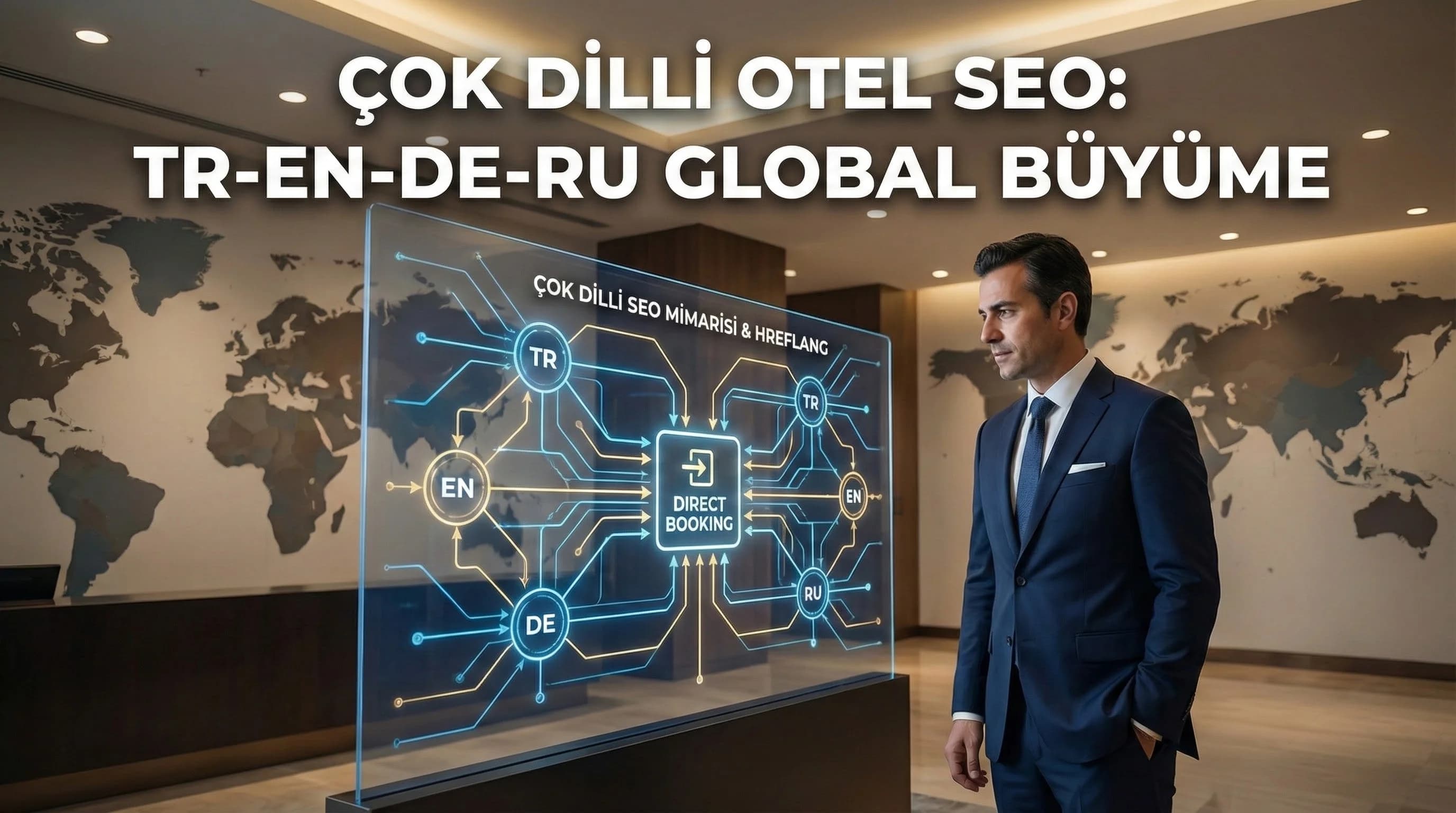
The most common misconception on multilingual hotel sites is: "We translated the text, it's done." However, while the user calling from Germany comes with an intention such as "Hotel Antalya Türkei", the TR domestic market searches for "Antalya hotel"; The RU market, on the other hand, has a different language and set of expectations. If the URL architecture, canonical and hreflang set are not correct, Google may show the wrong language; The user loses trust on the first screen and turns to OTA. This guide links both the technical and content sides into a market-oriented blueprint with a TR–EN–DE–RU structure.
Diğer / Genel SEM
Selling Rooms with Reels: How to Set Up Reels Funnel for Hotels?
Reels is not just “access” for hotels; It is a short video engine that produces booking intentions when designed correctly. However, most accounts operate Reels at the content idea level: the video is good, the views come… but the clicks and requests do not come. In this guide, Instagram Reels is used for Hotel Room Sales / Direct Booking; We will establish a clear “room sales with reels” funnel system in the form of hook → story → CTA → referral → measurement.
How to Position a Hotel Instagram Account? Basic Strategy Guide
Beyond being a “visual showcase” for hotels, Instagram is the first point of contact of the demand engine when designed correctly. Positioning; “what am I sharing?” Before the question "Who am I reaching, at what stage of intention, with what action?" answers the question. In this guide, we will build a hotel/resort Instagram account into a measurable content and funnel structure on the axis of brand perception + direct booking intention.
OTA vs. Technical Hotel SEO: Architecture & Internal Linking | DGTLFACE
OTAs are strong in the SERP because they operate with a large number of content pages, strong internal link networks, and high authority. Hotel sites, on the other hand, cannot convey a clear structure to Google because they often remain in the form of "a few pages + scattered blogs"; The user also has difficulty finding the way to the reservation. The purpose of this guide is not to turn the site into a “content dump that mimics OTA”; It is to establish a clean architectural and internal linking framework that strengthens your hotel as a single Hotel Entity. The result is clarity in both crawl/index quality and direct booking flow.
Direct Booking SEO with Destination Content | DGTLFACE
Most of the time, the guest does not start with "Antalya hotel prices"; It starts with questions about holiday intentions such as "Where to stay in Antalya?", "The most suitable area for families with children", "What season is best for golf in Belek?" If this intent is not caught, the user goes to guides and lists of OTAs. Destination content is the “first contact” layer of the hotel website: if designed correctly, it turns into a funnel that carries the user from the blog to the room page and from there to the booking engine.
Room Page SEO: Direct Booking with Google Travel | DGTLFACE
Your room page allows the guest to ask “which room?” is where he makes his decision; In other words, it is the critical screen that determines whether the demand you capture on the SEO side will turn into a reservation. In many hotels, room pages only include a few photos and a brief description; This both reduces the "value" of the page in the context of Google Travel and weakens the transition to the booking engine. This playbook aims to improve both visibility and conversion at the same time by moving your room page to the mini landing page standard.
Hotel SEO: Earn Direct Booking Despite OTA
OTAs (Booking etc.) can be a “distribution channel” for hotels; but it also creates a layer of competition in the SERP that often puts your brand ahead of it. The aim of hotel SEO is not to “kill” OTA; It is to establish a sustainable system that will be visible on Google with the right page types in the right query sets and carry the demand to the hotel website. This guide; It gathers hotel SEO in a single framework, from technical infrastructure to multilingual structure, from destination content to KPI set.
Multilingual Hotel SEO: TR–EN–DE–RU Hreflang in Structure, Site Architecture and Content Strategy
The most common misconception on multilingual hotel sites is: "We translated the text, it's done." However, while the user calling from Germany comes with an intention such as "Hotel Antalya Türkei", the TR domestic market searches for "Antalya hotel"; The RU market, on the other hand, has a different language and set of expectations. If the URL architecture, canonical and hreflang set are not correct, Google may show the wrong language; The user loses trust on the first screen and turns to OTA. This guide links both the technical and content sides into a market-oriented blueprint with a TR–EN–DE–RU structure.